






Yalda or the Great Chilla Celebration
Yalda, the longest night of the year, has always signaled celebration and joy for Iranians. Yalda Night is one of the most important Iranian festivals, celebrated among our people since ancient times. In the year 1401 (Iranian calendar), it was registered as an Intangible Cultural Heritage by UNESCO. But why is this long night so valued in Iranian culture and considered one of the most widespread Iranian celebrations?
“Yalda” is a Syriac word meaning birth or emergence, referring to the birth of the sun or the deity Mithra. Ancient legends say that on this night, the sun and moon unite, and the next day the sun rises later than usual because the previous night was its wedding.
Although the word Yalda is Syriac, it is an Iranian night full of love:
In Dari, it means birth,
Giving life to one another.
(Turan Shahriari)
The longest night of the year, the last night of autumn, was also called “Navadeh,” meaning ninety days before Nowruz. The Yalda festival has been celebrated for about 7,000 years. During this time, the wedding night of the moon and sun and the night of love are celebrated with hope for a bright tomorrow and the sun’s appearance. Watermelon, symbolizing the sun’s roundness and red color, was cut in half to mark the occasion.
The philosophy of this celebration lies in birth, hope, joy, and prosperity. This night represents friendship, solidarity, peace, and the birth of Mithra, symbolizing purity and the entrance of Mithra into the world. Ancient Iranians celebrated the birth of the sun until the first rays appeared, praying and awaiting the sun. The day after Yalda was called the Day of the Sun, during which fighting, bloodshed, and killing animals were prohibited.
In ancient times, people observed the movement of the sun and stars, and the changes of days and seasons, organizing their activities accordingly, seeing these natural phenomena as manifestations of God’s presence. The sun was always a source of warmth, light, and life, and was highly revered.
By contemplating the sun and Mithra, ancient Iranians understood God as the greatest source of spiritual light, praised the divine Mithra, and sought to cultivate divine traits such as peace, friendship, love, loyalty, and moderation in themselves.
They noticed that from the beginning of winter, days gradually lengthen and the sun shines more brightly. Iranians stayed awake, hoping for the triumph of Mithra and the sun over darkness. At the end of Yalda Night, darkness is defeated, sunlight prevails, and days grow longer. In the beliefs of our ancestors, light and the sun symbolized goodness, purity, and truth, while darkness and cold symbolized evil and ugliness.
Iranians call the period from the 1st of Dey to the 10th of Bahman “Chilla-ye Bozorg” (the Great Forty Days), and from the 10th of Bahman to the 20th of Esfand “Chilla-ye Kuchak” (the Small Forty Days), as the cold diminishes in the second forty days. Dey month is also called Khormah. According to Al-Biruni in Āthār al-Bāqiya, the first day of Dey is “Khorram Rooz” (the Joyful Day), when light increases. On this day, Iranian kings wore white garments and went into the desert to sit on white carpets so that people could speak with them. Leaders and kings dined and conversed with farmers, emphasizing that the stability of the world depends on the work of human hands. They also believed that the cypress tree symbolized strength against cold and darkness, and anyone with a wish would plant a cypress to see it fulfilled by the next year.
The Yalda Night tradition spread from Iran to other lands as well. Egyptians considered the Shilla night as the birth of the sun, celebrating the victory of light over darkness twelve days after the start of winter.
Mithra, also called Mehr, in Sanskrit and Avestan languages, means covenant, unity, and connection between two or more people. In Persian, it also signifies love, friendship, reconciliation, and covenant. Mehr symbolizes human-to-human and human-to-environment responsibility, protecting family, city, and country. Mehr aligns with truth and opposes lies, as a wicked or deceitful person cannot be trusted to honor a covenant.
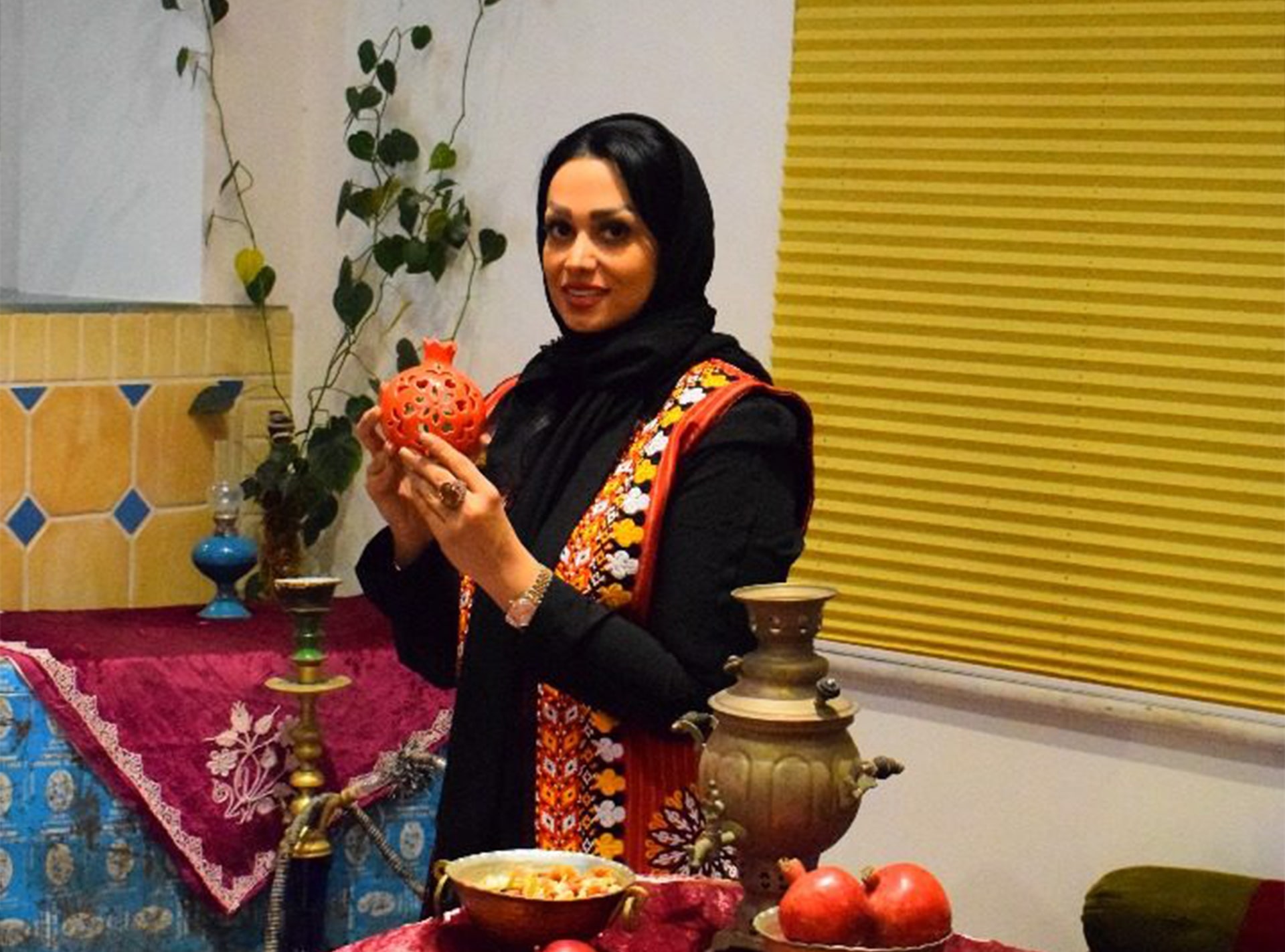
Today, the Sun’s birthday is celebrated throughout Iran in loving households. Families, relatives, and friends gather, reciting poetry and consulting Hafez’s divination until morning. Tables are filled with nuts, watermelon, and pomegranate, sharing warmth and love.
In this celebration, people stay awake until dawn, hoping to absorb the warmth of Mehr from nature and pass it on to others. The Yalda festival has long preserved the culture of love, friendship, and joy, spreading happiness and reconciliation among hosts and guests. It is beautiful to deeply understand this rich culture and embrace its values, cultivating the noble traits of Mehr within ourselves.